

Whitening Your Teeth When You Have Crowns, Bonding, or Veneers: What to Expect
 by Suhani Patel
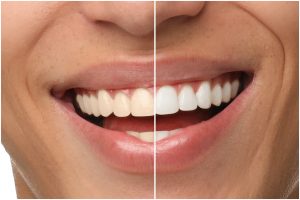
If you’ve ever looked in the mirror before a wedding, reunion, or holiday photo and thought, “My teeth used to look brighter,” you’re not alone. Teeth naturally pick up color over time from coffee, tea, red wine, certain medications, tobacco, and aging. The next thought is often, “Can I whiten them?” followed by, “What if I’ve already had dental work?”
At Kimberly A Rice, DDS in Ypsilanti, MI, we love helping you feel confident about your smile and want you to feel informed. The answer is usually yes, you can whiten, but the details matter when you have crowns, bonding, or veneers, especially on the front teeth, where even a small color difference can stand out.
Can I do teeth whitening with crowns and still get an even shade?
Yes, you can whiten your teeth with crowns, but whitening mainly changes natural teeth. It does not whiten tooth-colored dental restorations (like a dental crown, veneers, or bonding) in the same way. That’s why planning matters.
Because whitening affects the color of your natural teeth but not the color of a crown, you can end up with a color mismatch if your natural enamel brightens and your existing restoration stays at its original shade. The American Dental Association recommends accounting for existing restorations when planning whitening, and we agree. A little careful planning helps you avoid surprises and get a result that looks intentional and natural.
Why whitening changes natural enamel (but not restorations)
Whitening works by using a bleaching agent that penetrates the tooth’s surface and helps lift certain stains from within the tooth. Professional whitening commonly involves ingredients like hydrogen peroxide or carbamide peroxide, which interact with your tooth enamel and the underlying tooth structure to lighten your overall tooth color.
Crowns, veneers, and bonding are made from restorative materials such as porcelain or composite resin. These materials can be polished and maintained, but they don’t respond to a whitening agent the way natural tooth structure does. Whitening can brighten enamel, but it won’t change the crown shade or the color of your crowns already in place.
What if I have a crown on a front tooth?
A single porcelain crown on a front tooth is one of the most common reasons people ask about whitening first, and it’s a smart question. If you whiten your surrounding natural teeth, the crowned tooth may start to look slightly darker by comparison, even if it looked great before. That shift happens because your eye compares the crown to the newly brightened surrounding teeth.
This doesn’t mean whitening is off the table. It means the right approach depends on your current tooth shade, the location of the crown, and how much change you want. For some patients, a small amount of whitening keeps everything looking balanced. For others who want a noticeably whiter look, we may discuss whether crown replacements are part of the long-term plan so your crown can match your new shade.
Can bonding be whitened?
Dental bonding, made from composite resin, is popular for repairing chips, reshaping edges, and improving small gaps. However, bonding does not lighten with whitening gel in the same way as enamel and can pick up stains over time depending on habits and diet.
If you whiten your natural teeth, you may notice the bonded area looks different afterward. Sometimes polishing helps with surface stains on bonding. Other times, adjusting or replacing the bonding becomes the best option if you want everything to match. The key is getting professional advice before you start whitening to avoid a patchwork look.
What about porcelain veneers?
Porcelain veneers resist staining better than enamel, which many patients love because it protects their smile investment. However, veneers keep their color while your natural teeth can change. A veneer that matched perfectly when placed can look brighter than nearby teeth years later, or darker if you whiten the natural teeth around it.
If you’re considering whitening and have veneers, we focus on the appearance of your smile as a whole. We’ll look at the shade of your veneers, the color of natural teeth next to them, and your goals. Then we can help you choose the next step, whether that’s whitening the natural teeth, refreshing staining on adjacent enamel, or discussing cosmetic updates.
A simple way to think about it: whitening brightens teeth, not dental work
Think of whitening as lightening natural fabric, while crowns and veneers are more like a color-stable material. You can brighten what’s natural, but you can’t expect the same change in what’s manufactured to a set shade.
That’s why we never want you to feel like whitening is risky or confusing. The goal is a brighter smile that looks even and fits you, not a surprise mismatch that makes you self-conscious.
Professional whitening vs. store-bought options (especially with restorations)
We understand the temptation to grab a whitening kit and get started tonight. Some over-the-counter options can lighten teeth, but they can also be inconsistent, especially when you’re trying to match dental work. Some products are also more irritating to gums or rely on abrasive products that remove surface stains but can be tough on enamel if overused.
With professional whitening treatments, you get guidance on what’s appropriate for your tooth enamel, your sensitivity level, and your existing restorations. At Kimberly A. Rice, DDS, we offer in-office whitening in Ypsilanti, MI, that can whiten teeth by several shades in one visit, along with take-home options using custom trays and a safe whitening solution. We’ll also share practical tips for what to avoid right after whitening, since some foods and drinks can stain more easily right away.
Planning your whitening around crowns, veneers, bridges, or implants
When you have mixed materials in your smile, planning becomes the secret ingredient. Here’s what we generally consider in the dental office before recommending whitening:
- The current color of your teeth and your realistic goal for a new shade
- Where restorations are located (especially on the front teeth)
- The type and age of restorations, including crown materials
- Whether you have crowns as part of crowns & bridges, since multiple units affect matching
- The health of the tooth and gums, since comfort matters during whitening
- Whether you have dental implants (implants themselves do not whiten, and their crowns also keep the same shade)
If a restoration is old, stained, or no longer matches well, whitening your natural teeth first can be the cleanest plan. Then, if you decide you want a replacement, your dentist can match a new crown to the brighter shade. For many patients, that sequence is the only way to get the most seamless blend between enamel and restorations.
Do I need a cleaning before whitening?
Often, yes. A professional cleaning helps remove plaque and tartar so whitening gel can contact the enamel more evenly. It also helps us evaluate what you’re seeing in the mirror. Sometimes the “yellow” you notice is mostly external staining, and cleaning alone improves your tooth shade. Other times, the deeper tooth color is what you want to change, and whitening becomes the natural next step.
Pairing whitening decisions with regular dental care gives you the most predictable, comfortable experience.
How we help you choose the best option at Kimberly A Rice, DDS
When you come in, we take time to talk through what you’re hoping to change and what dental work you already have. If you’re worried you’ll be pressured into something, you can take a breath. Our team believes great dentistry feels personal, respectful, and clear. We’ll walk you through your choices, explain what whitening can and cannot do, and recommend a plan that supports your goals and your comfort.
Depending on what we see, your plan might include professional whitening, polishing stain from restorations, updating bonding, discussing veneers, or coordinating whitening with future crown work. The goal stays the same: a smile that looks natural and makes you feel confident when you talk, laugh, and take photos.
Ready to talk about whitening with existing dental work?
If you’ve been wondering about teeth whitening with crowns, bonding, or veneers, we’re happy to help you sort through your options. Schedule a visit with Kimberly A Rice, DDS in Ypsilanti, MI, and let’s make a plan that fits your smile, your timeline, and your comfort level. Bring your questions, even the ones you think are “silly.” We promise, they’re not.